
Junk removal can make it easier to clear out unwanted household items that are difficult to move on your own. Heavy furniture, appliances, exercise equipment, mattresses, and other bulky belongings may require multiple people or specialized handling to move safely. Understanding what a junk removal service can handle helps homeowners plan a cleanout and avoid unnecessary lifting or transportation challenges.
Whether you are clearing a garage, remodeling a room, moving to a new home, or replacing old furniture, it is useful to know how heavy items are handled. The type, size, weight, location, and condition of an item can affect whether it can be collected and how the removal process is completed.
What Heavy Household Items Can Be Removed?
Many junk removal companies handle a variety of bulky household items. Common examples include sofas, tables, bed frames, mattresses, dressers, cabinets, refrigerators, washers, dryers, and other large belongings.
The ability to remove a particular item depends on its size, weight, condition, and location. Some extremely heavy or specialized items may require additional arrangements, so homeowners should describe the items accurately when requesting service.
How Are Heavy Items Moved?
Moving heavy household items often requires careful planning before they are carried out of a property. Workers may assess the item’s dimensions, identify a safe path, and determine how many people are needed to move it.
Large objects may need to be repositioned or separated into smaller components when appropriate. Protecting doorways, floors, walls, and other parts of the property can also be considered during the removal process.
Can Furniture Be Removed From Inside the Home?
Large furniture is commonly associated with household cleanouts because sofas, wardrobes, beds, dining tables, and cabinets can be difficult to move. Their location inside a room can affect how easily they can be carried through hallways and doorways.
Before scheduling a pickup, homeowners should provide information about where the furniture is located. Stairs, narrow hallways, tight corners, and limited access can affect the work required to remove bulky pieces.
What Affects the Cost of Removing Heavy Items?
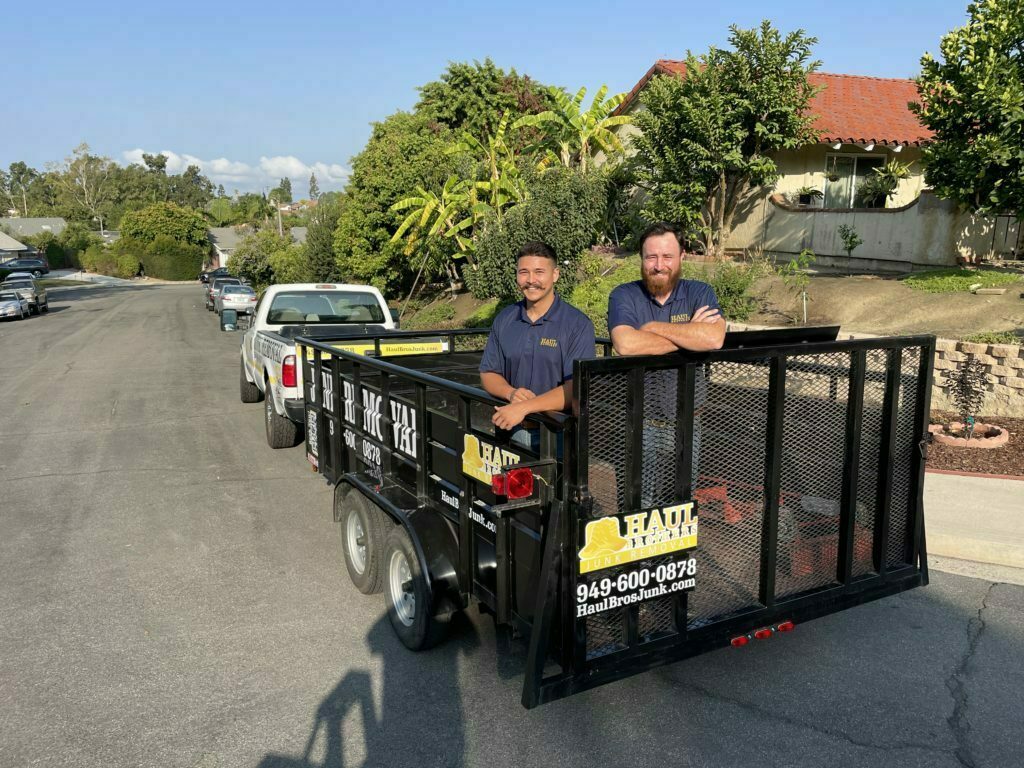
The cost of removing heavy household items depends on several factors, including the item’s size, weight, quantity, and location. Some providers calculate prices based on the amount of space items occupy in a collection vehicle, while others may have separate charges for particular materials or difficult removal conditions.
Additional labor, stairs, special handling, and disposal requirements can also influence the final price. Asking for a quote and explaining the items involved helps homeowners understand potential costs before confirming a service appointment.
What About Heavy Appliances?
Old appliances can be particularly challenging to move because of their size and weight. Refrigerators, washing machines, dryers, freezers, and other large appliances may require careful handling to prevent damage to the property or surrounding areas.
Homeowners should mention the type of appliance when arranging junk removal. Depending on the item, additional preparation may be necessary, such as disconnecting utilities or ensuring the appliance is accessible before the removal team arrives.
Can Heavy Items Be Removed From Garages?
Garages often become storage areas for unwanted furniture, appliances, tools, boxes, and other bulky belongings. When these items remain there for years, removing them can become physically demanding, particularly when several heavy objects need to be cleared.
A removal team can assess the available space and determine how items can be moved toward the vehicle. Keeping a clear path from the items to the garage entrance can make the process more straightforward.

Does Location Affect Heavy Item Removal?
The location of a heavy item can make a significant difference in how it is removed. An object sitting near a ground-level entrance may be easier to access than the same item located upstairs or behind several obstacles.
Stairs, elevators, narrow entrances, long carrying distances, and restricted access may require additional planning. Providing accurate details about the property’s layout helps the company understand the conditions before arriving.
Should Heavy Items Be Prepared Before Pickup?
Some preparation can make a heavy-item removal appointment more efficient. Homeowners can remove loose belongings from inside furniture, clear pathways, and make sure the removal team can access the items that need to be collected.
Appliances may require separate preparation depending on their type and condition. If an item is connected to plumbing, electricity, or another utility, homeowners should ask about any required disconnection before the scheduled appointment.

Are There Items That Cannot Be Removed?
Not every heavy or bulky object is automatically accepted. Certain materials may require specialized handling because of safety, environmental, legal, or disposal requirements.
Restrictions can also vary between companies and locations. Before scheduling junk removal, homeowners should provide a complete description of unusual, unusually heavy, damaged, or potentially restricted items so the company can confirm whether they can be handled.
How Can Homeowners Make Removal Safer?
Homeowners should avoid attempting to lift extremely heavy objects without the appropriate assistance. Trying to move a large appliance or piece of furniture alone can create unnecessary risks, especially when stairs or tight spaces are involved.
Instead, clear the area around the items and keep children and pets away from the work area during the removal. Communicating access challenges in advance also gives the removal team an opportunity to plan the job appropriately.
What Should You Ask Before Scheduling?
Before booking a service, ask whether the company accepts the specific heavy items you want removed. It is also helpful to discuss where the items are located, whether stairs are involved, and whether there are access restrictions.
You can also ask how pricing is determined and whether additional preparation is required. Clear information at the beginning helps prevent misunderstandings and allows the company to determine whether the requested removal can be completed.
Can Heavy Household Items Be Recycled or Donated?
Some unwanted household items may be suitable for donation, reuse, or recycling rather than disposal. Furniture in usable condition, certain appliances, and recyclable materials may qualify, depending on their condition and the receiving organization’s requirements.
However, donation and recycling options vary by provider and item type. Homeowners should ask whether the company offers these options and whether additional preparation is necessary. Items that are damaged, contaminated, or no longer functional may have different disposal requirements.
How Do You Choose a Household Junk Removal Service?
When comparing removal services, consider the types of items accepted, pricing transparency, scheduling options, and procedures for handling bulky belongings. It is also helpful to explain any access challenges before receiving an estimate.
Conclusion
Heavy household items can be difficult to move without the right assistance, particularly when they include large furniture, appliances, mattresses, or bulky garage belongings. The item’s size, weight, location, accessibility, and condition can all affect the removal process. Homeowners can make the process easier by clearing pathways, describing the items accurately, and asking about any restrictions before scheduling a pickup.
For residents in San Juan Capistrano, Haul Brothers LLC can be contacted to discuss household junk removal needs and determine whether specific heavy items can be handled. For questions or service inquiries, call 949-600-0878 to discuss the items you need removed and the access conditions at your property.