
The Best Practices for Safe and Efficient Furniture Removal
Removing furniture may seem like a straightforward task, yet it demands careful planning, the right tools, and a clear strategy to ensure safety and efficiency. From outdated couches to bulky cabinets, clearing out large pieces can take a toll if not handled correctly. Whether you’re relocating, upgrading your décor, or simply decluttering, understanding the best practices can make all the difference. Following a thoughtful approach not only minimizes the risk of injury and property damage but also speeds up the process, making room for your new ideas or renovations to unfold smoothly. In today’s fast-paced environment, learning how to streamline each step is essential for anyone ready to hit refresh on their space. With the right techniques, you can preserve the integrity of your surroundings while disposing of unwanted furniture responsibly and with minimal hassle.
Smart Planning for Stress-Free Furniture Removal
The secret to a smooth furniture removal lies in preparation. Before lifting a single piece, it’s crucial to measure your furniture and doorways, plan your routes, and determine what tools you need. This helps you avoid those awkward moments where a couch gets stuck in a doorway or a vintage dresser scrapes the walls. Consider creating a checklist of everything that needs to go, along with any additional supplies like furniture sliders, moving blankets, or dollies. Don’t underestimate the usefulness of labeling items, especially when handling multiple rooms or working under a tight schedule.
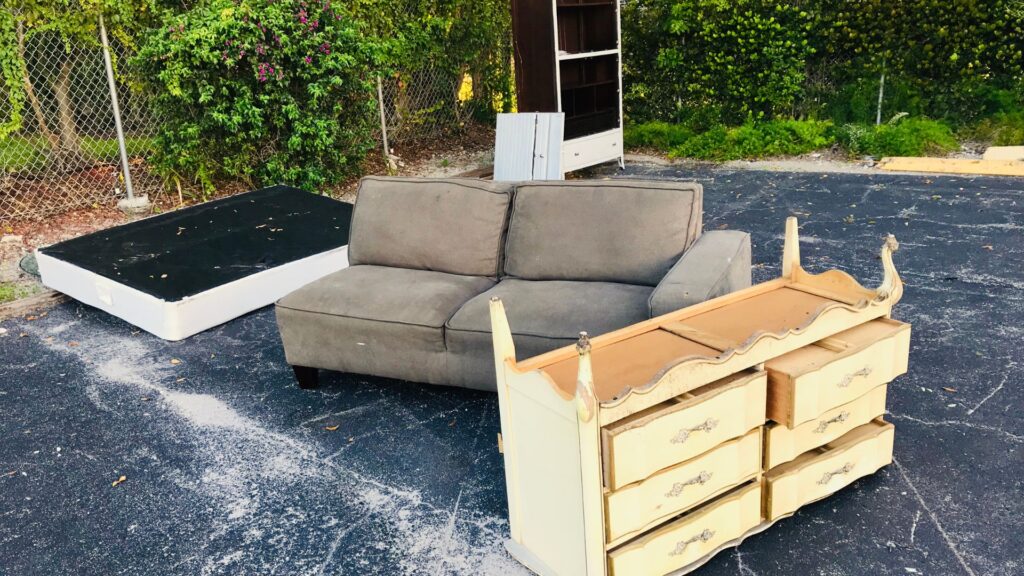
Once your strategy is set, make sure to communicate your plan with everyone involved. Assigning roles can help avoid confusion, particularly when navigating narrow hallways or descending stairs. If you’re working alone, pace yourself and take frequent breaks—your back will thank you. Lastly, try to think ahead about furniture disposal. Will it be donated, recycled, or picked up by a junk removal service? Being proactive with these decisions keeps the process efficient and environmentally conscious.
Proper Tools That Make Moving Heavy Furniture Easier
Imagine trying to carry a heavy armoire without the right equipment—it’s a recipe for disaster. The right tools can turn a physically demanding chore into a manageable task. Dollies, for example, are lifesavers when moving bulky pieces over long distances, while lifting straps help distribute weight more evenly between movers. Sliders can also help you glide furniture across hardwood floors or carpets without leaving scratches behind.
Furniture blankets and padding are equally essential. They offer a buffer between your belongings and your home’s surfaces, protecting both from unwanted scrapes and dents. When dealing with fragile or antique pieces, investing in quality wraps and corner protectors can prevent heartbreak. You may also need basic hand tools like screwdrivers or Allen wrenches for disassembling large items. Being prepared with the right tools ensures that every move you make is secure, safe, and efficient—and ultimately saves you time and stress.
Why Safety Should Be Your Top Priority During Furniture Removal
It’s tempting to power through furniture removal as fast as possible, but safety should always be your number one priority. Not only are you dealing with oversized and sometimes unpredictable objects, but there’s also the risk of slipping, pulling a muscle, or damaging your floors and walls. Wearing gloves, closed-toe shoes, and even back support braces can reduce injury risks significantly.
Making the workspace safe is equally important. Clear pathways of any obstacles—like rugs, cords, or décor—that might cause tripping. Ensure floors are dry, well-lit, and free of clutter. If you’re handling particularly heavy items, consider whether the job requires professional equipment or assistance. It’s better to ask for help than to risk a back strain or worse. Remember, getting the job done quickly is useless if you’re sidelined by an injury afterward. Prioritizing safety guarantees that your furniture removal is not only successful but also incident-free.
When to Call in Professional Furniture Removal Services
There comes a point when even the most enthusiastic DIYer has to admit that certain furniture removal jobs are best left to the pros. Whether you’re dealing with bulky gym equipment, large sectional sofas, or an entire office’s worth of furnishings, hiring a professional removal service isn’t just about convenience—it’s about peace of mind. Experienced teams come equipped with specialized tools and vehicles, along with the expertise needed to navigate tight spaces and handle complex removals with ease.
Professional services are especially helpful when timing is tight or when there’s a need to dispose of hazardous or large-scale waste responsibly. They can handle logistics from start to finish, including proper disposal, recycling, or donation, saving you the stress of multiple trips or improper dumping. While a DIY approach might seem cost-effective at first glance, the value of having the job done quickly, safely, and sustainably can outweigh any initial expense.
Eco-Friendly Ways to Dispose of Old Furniture
One person’s old furniture can be another’s treasure—or at least a recyclable opportunity. When getting rid of outdated or broken pieces, it’s worth exploring environmentally friendly disposal methods. Start by assessing whether anything is salvageable. Many donation centers or upcycling organizations will happily take gently used items. If something’s beyond repair, look for recycling centers that accept wood, metal, or upholstery materials. You’d be surprised how much can be broken down and reused.
If you’re creatively inclined, consider repurposing old furniture into something new. An old dresser can become a chic bathroom vanity, or an unused headboard might find new life as a garden bench. For those unable to repurpose or donate, hiring a junk removal service committed to eco-conscious practices ensures that as little as possible ends up in landfills. Thinking green during furniture removal is not only good for the planet but can inspire others to rethink waste creatively.
Disassembling Large Furniture for Easier Transport
The bigger the furniture, the more sense it makes to break it down before moving. Whether you’re working with bed frames, desks, or entertainment centers, simplifying the structure by disassembling it can save a world of pain. Not only does it make pieces lighter and easier to maneuver, but it also reduces the risk of damaging surrounding surfaces during removal. Before taking anything apart, snap a few photos or record a quick video to remind yourself how everything fits back together if needed.
Keep hardware like screws or bolts in labeled bags or containers so nothing gets lost in the chaos. As you work, watch for hidden brackets, glued joints, or loose edges. Patience is key here—rushing may result in unnecessary damage to valuable furniture. Once everything’s taken apart and securely packed, you’ll have an easier time getting it out the door and into its next destination, whether that’s a donation center, resale shop, or the recycling bin.
Navigating Tight Spaces and Narrow Hallways
There’s nothing like a narrow stairwell or a tight hallway to complicate furniture removal. Before lifting anything, inspect the route for potential hazards or obstructions. Removing rugs, artwork, doors, or even door frames can sometimes make all the difference in creating just a little extra wiggle room. Planning each move in advance reduces unnecessary turns or awkward angles that could result in property damage—or worse, someone getting hurt.
When maneuvering through tight spaces, teamwork is fundamental. Communicate clearly, lift slowly, and adjust your grip as needed. If the piece you’re moving seems just a bit too wide, consider whether removing legs or cushions could help. And don’t forget the magic of furniture sliders or lifting straps to make the process smoother. Patience, problem-solving, and creativity go a long way when working in spatially challenged environments, proving that even the trickiest paths can be navigated with a touch of ingenuity.
The Importance of Timing in Furniture Removal
Timing can heavily influence the success of your furniture removal project. Weekends might seem like the most logical choice, but they can also be the busiest, especially if you live in an apartment building or shared space. Planning removals during quieter times helps avoid unnecessary delays, reduces noise complaints, and ensures elevators or hallways are less congested. Weather also plays a significant role—moving during stormy or snowy conditions is not only uncomfortable but can also be hazardous.
Another aspect of timing is knowing when to let certain items go. If you’re in the middle of a renovation, removing old furniture early can free up valuable space and help contractors work more efficiently. On the flip side, be cautious about getting rid of essentials too soon—you don’t want to end up eating dinner on the floor. Strategic timing supports not just a smooth removal, but an overall less stressful transition from old to new.
Creative Repurposing Ideas for Old Furniture
Before you toss that wobbly chair or outdated armoire, consider whether it might be given a second chance through creative repurposing. With a bit of imagination and elbow grease, almost any furniture piece can be transformed into something entirely new. A scratched coffee table could become a rustic wall shelf; a broken crib might turn into a sleek bench or chalkboard station. Repurposing helps keep old materials out of landfills while adding personalized flair to your home decor.
The key to successful upcycling is seeing potential where others see junk. Try browsing thrift stores, DIY blogs, or Pinterest boards for inspiration. And don’t be afraid to experiment. You don’t need fancy tools—just basic hand tools, paint, and some creativity can go a long way. When you repurpose rather than replace, you’re not only saving money but also contributing to a sustainable lifestyle that makes the most of what you already have.
How to Protect Your Home During Furniture Removal
Furniture removal isn’t just about getting items out the door; it’s also about safeguarding the rest of your space. Floors, walls, and corners are particularly susceptible to damage during moves. To avoid dents, scratches, or chips, lay down protective coverings like cardboard sheets, drop cloths, or heavy-duty paper along the path of removal. Use corner guards or foam insulation on sharp edges of doorway frames or tight spaces.
Cover stair railings and floors with nonslip blankets or mats to maintain traction and stability while carrying heavy loads. If you have delicate light fixtures, artwork, or décor along the path, either remove them or take steps to secure them temporarily. Even small preventative measures can save you from costly and time-consuming repairs later. A little extra effort upfront means you can focus on the furniture removal itself—without worrying about having to patch up new holes in the wall afterward.
Conclusion
Furniture removal is much more than a simple physical task—it’s a thoughtful process that requires planning, safety precautions, and environmental mindfulness. By understanding the complexities involved, from disassembling bulky items to navigating tight spaces, you’re better equipped to tackle any removal project with confidence. Whether you’re thoughtfully repurposing old treasures or using eco-friendly disposal methods, every small action contributes to a smoother and more sustainable transition. And when the job feels overwhelming or unsafe, trusting professionals who specialize in large-scale removal is always a smart move. For those in San Juan Capistrano looking for a reliable and efficient partner in this process, Haul Brothers Junk Removal stands ready to help. Give them a call at 949-600-0878 and experience a removal service that puts safety, sustainability, and customer care first.