
Tips for Proper Appliance Removal and Disposal
Removing old or broken appliances might seem straightforward at first, but it’s a task that comes with hidden complexities. Whether you’re tackling a renovation project, downsizing your space, or simply clearing out damaged household items, proper appliance removal and disposal demands a deeper understanding than just hauling objects to the curb. Components like coolant, metals, glass, wires, and even built-in batteries require careful handling to prevent environmental harm. That’s why having the right knowledge—and often the right team—can help you save time, money, and unnecessary headaches. This guide pulls from the expertise you’ll find on locally focused, service-based platforms like the one at Vista Glass Sahuarita and takes it further. Expect clear, direct insights on appliance hauling, regulatory tips, and disposal routes, all delivered in a fresh, conversational voice that keeps you engaged. Let’s dig into the dynamics of safe, compliant appliance disposal.
The Hidden Hazards Behind Old Appliances
Disposing of appliances may appear simple, but beneath the exterior of old fridges, washers, or microwaves lie materials that pose serious risks if handled improperly. Many household machines are built with refrigerants, oils, mercury-containing switches, or other components that can leak toxins into the environment if thrown into standard waste streams. These contaminants don’t just vanish; they seep into soil or water systems, impacting ecosystems along the way. Thus, an uninformed dump run could unknowingly contribute to long-term ecological damage.
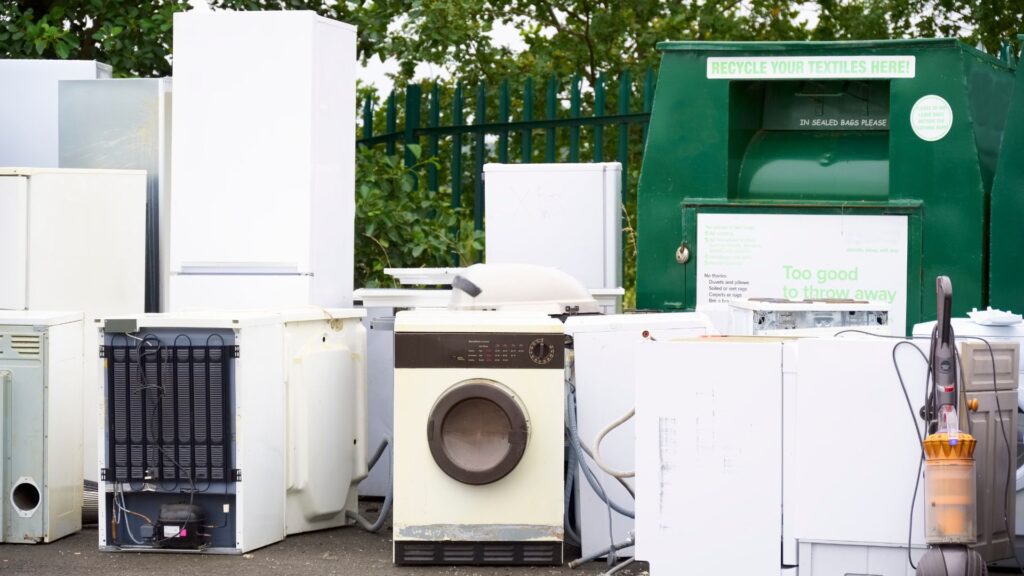
Beyond environmental consequences, appliance removal poses physical dangers too. These units are often bulky and awkward, containing sharp edges or fragile parts that can break during transport. Those who underestimate the task often face injuries from lifting or lugging unbalanced equipment. When tackling appliance disposal, understanding both environmental liability and personal safety is crucial. Make sure you comply with local regulations and utilize certified disposal services if you’re unsure how to dismantle units safely.
Recycling Appliances Instead of Dumping Them
As sustainability grows in importance, choosing to recycle appliances isn’t just environmentally wise—it’s becoming more socially expected. Instead of throwing appliances away, recycling allows valuable materials like steel, copper, and aluminum to be extracted and reused. This process significantly reduces landfill waste and helps cut down on resource consumption from new mining ventures.
You might be surprised at how simple recycling can be. Many municipalities offer curbside appliance pickup during scheduled waste collection days. Others direct you to drop-off centers where certified recyclers take over. Some retailers even provide trade-in or removal deals when you’re purchasing a new item. By disconnecting your appliance and preparing it for drop-off, you’re taking a responsible step in cutting down your carbon footprint while also potentially avoiding disposal fees. Dig deeper into local service listings or ask appliance installers about removal options. With a bit of research, recycling becomes more than a feel-good choice—it becomes the smart, efficient move.
Creative Ways to Repurpose Old Appliances
Before rushing to toss your old washer or oven, consider whether it truly belongs in the junk pile. Creativity shines when we reimagine old appliances in new ways. Your unused refrigerator could transform into a cool storage shed or a garage pantry. An outdated stove could find a second life as an outdoor planter or display table for gardeners. Even smaller parts like doors, handles, and interior shelves can be salvaged for DIY projects or scrap art.
In some cases, functionality still lingers in what you view as “old.” Local community groups, thrift shops, or repair co-ops might welcome gently used appliances or removable parts. You could even partner with artists or hobbyists who love upcycling. By getting resourceful, you bypass disposal entirely—saving money while contributing to a circular economy that values reuse over waste. Creativity isn’t about perfection, it’s about potential. That’s where the real beauty of repurposing lies.
Navigating Local Appliance Disposal Programs
Most cities and towns have systems in place for appliance disposal, though the details vary significantly by region. Some areas require permits for large item hauling, while others mandate drop-offs at specific landfill zones or recycling plants. These procedures can get complicated, especially if you’re unfamiliar with your municipality’s waste management system.
To stay compliant, call your local waste authority or visit their website to learn the ins and outs of appliance disposal in your area. Ask about scheduled bulky item pickups, hazard fees, or recycling certifications. Some jurisdictions even penalize improper dumping through fines or citations. When in doubt, partner with reputable appliance removal services in your community, since they’re usually up-to-date on changing regulations. It’s less about red tape—and more about ensuring you aren’t unintentionally violating environmental codes.
Why Professional Appliance Removal Is Worth It
DIY appliance removal might sound economical, but many homeowners underestimate how much effort it actually demands. These objects are heavy, hard to maneuver through tight halls or stairwells, and often require special tools or vehicles to transport safely. This is where professional appliance haulers shine. With trained personnel, equipment, and liability coverage, they take the stress—and potential risks—off your shoulders.
Beyond the physical convenience, appliance removal specialists are typically plugged into licensed recycling or disposal networks. This means your old units don’t just wind up in a landfill; they’re dismantled and managed responsibly. Hiring the professionals isn’t just smart logistics—it’s a proactive choice that protects you legally, physically, and environmentally. Especially if you’re handling a major cleanout or moving out of a rental, delegate the heavy lifting to those who do it best.
What to Look for in an Appliance Removal Service
Not all hauling services are created equal, so doing a bit of research before booking one pays off. Look for a provider that offers transparent pricing up front, including any potential add-on fees for materials like Freon or hazardous waste. Check whether the company holds disposal or recycling certifications and whether they follow environmentally sound practices. Experience counts too—seasoned operators know how to handle tight entrances, destructible flooring, and local city guidelines.
Customer communication is another point to consider, particularly if you’re coordinating a move-out timeline or dealing with building permits. You want a service that arrives when promised, performs the removal neatly, and handles paperwork as needed. Don’t forget to read user reviews or ask for referrals—but avoid getting lost in testimonials. Focus on reliability, safety standards, and legal compliance. A reputable service doesn’t just move your appliance, it moves stress out of your life.
The True Cost of Improper Appliance Disposal
Cutting corners during disposal might save bucks short-term, but over time the consequences could outweigh the convenience. Illegal dumping can lead to hefty municipal fines or notices, especially as many cities now have surveillance or reporting programs in place. Worse still, environmental agencies may intervene if hazardous materials are found leaching from abandoned appliances in public or private property. That’s not to mention the negative community impact or the potential for personal injury if objects are mishandled.
On a broader level, bypassing proper disposal contributes to rising landfill overflow and depletes the recycling streams that sustain material recovery industries. As a homeowner or business owner, you’re a stakeholder in the health of your local surroundings. The responsible route isn’t just morally superior, it’s the one that keeps you clear of legal trouble.
Donating Appliances in Good Condition
Not every appliance headed out the door is defective or obsolete. Some might still run perfectly fine but no longer suit your upgraded space or decor. Donation is a powerful way to reassign value—and it’s easier than ever with local pickup services from thrift stores, shelters, or charitable centers. You’ll declutter with purpose while offering others a chance to use something that might otherwise be unattainable.
Even if a machine shows light wear, check if a nonprofit or reselling organization accepts it. Many provide repair services or refurbishing programs that can get your equipment back into working order. Additionally, some regional donation centers offer tax deduction receipts for appliances they receive. Giving to others isn’t just about generosity—it supports reuse and community building on a meaningful scale.
The Role of Smart Tech in Appliance Removal
Technology has transformed how we manage waste, and appliance removal is no exception. With online booking apps, GPS-tracked trucks, and real-time recycling reports, modern removal services make the process more efficient and transparent than ever. Some companies integrate digital scheduling so you can set your pickup day and pay without picking up the phone. Others use AI-powered systems to categorize scrap parts and reduce landfill waste.
Even household innovations play a role. Smart appliances now come with features that make them easier to diagnose, dismantle, or reset for secondary use. Sensors may flag units for part recovery while modular builds enhance recyclability. As tech expands the removal landscape, customers gain smarter choices about where and how to dispose of old devices. So stay curious and look for services that embrace technology—it often spells better service and a lighter ecological impact.
Preparing Your Appliance for Pickup or Drop-Off
Before the hauler arrives, taking a few preparatory steps will save time and minimize mess. First, ensure the item is disconnected from power, gas, or water lines. Clean out the inside of fridges or freezers to prevent leakage or odors, and remove any detachable components like shelves or burners. Tape doors shut to prevent swinging during transport, and if possible, slide the unit near an accessible exit to reduce the hauling distance.
If you’re dropping off the appliance yourself, confirm the recycling facility’s intake hours and policies. Some centers require specific paperwork or proof of residency. Planning ahead not only shows consideration for removal staff but also speeds along what could otherwise be a frustrating process. Treat your cleanup like a project, not an afterthought, and you’ll be rewarded with a smooth, stress-free removal day.
Conclusion
Proper appliance removal isn’t just about clearing space—it’s about protecting your health, your property, and the environment around you. When it comes time to get rid of bulky electronics, old stoves, broken fridges, or outdated machines, consider all the options available. Whether you’re calling in a recycling team or creatively upcycling, each choice has an impact beyond the curb. For those seeking expert assistance from a dependable crew in the Southern California area, Haul Brothers Junk Removal in San Juan Capistrano is one call away at 949-600-0878.