When unwanted household or commercial items are collected, many people wonder what happens to them afterward. Junk removal involves more than simply taking unwanted belongings away. Depending on their condition and material, collected items may be sorted for reuse, recycling, donation, disposal, or other appropriate handling.
Understanding what happens after collection can help property owners make more informed decisions about clearing unwanted items. It also explains why different materials may follow different disposal or recovery processes. Furniture, electronics, appliances, metals, cardboard, and general household waste can each require different handling. Knowing the process can provide a clearer picture of where unwanted items may go after they leave your property.
Items Are Sorted After Collection
After collection, items are generally sorted according to their type, condition, material, and potential destination. This helps separate materials that may be reusable or recyclable from items that require disposal.
Sorting can involve separating furniture, appliances, metals, electronics, cardboard, plastics, and general waste. The specific process varies by the company, local regulations, available recycling facilities, and the types of materials collected.
Reusable Items May Be Donated
Some unwanted belongings may still be useful to other people. Furniture, household goods, clothing, and other usable items can sometimes be directed toward charitable organizations or reuse programs when they meet applicable acceptance requirements.
Donation is generally dependent on an item’s condition and whether a particular organization accepts that type of material. Items that are damaged, heavily worn, contaminated, or otherwise unsuitable may not qualify for donation.
Recyclable Materials Can Be Recovered
Materials such as metal, cardboard, certain plastics, and other recyclable materials may be separated for processing. Recycling facilities handle these materials according to their specific requirements and accepted material categories.
Recycling helps recover usable materials rather than sending every collected item to a landfill. However, not everything marked as recyclable can necessarily be processed, so proper sorting and facility requirements are important.
Furniture May Have Different Destinations
Old furniture can follow different paths depending on its condition and construction. A usable table, chair, cabinet, or other furnishing may potentially be reused, while damaged pieces may need to be dismantled or disposed of appropriately.
Furniture can contain multiple materials, including wood, metal, fabric, foam, glass, and plastic. Separating these components may make it easier to determine whether portions can be recycled, reused, or handled as waste.
Appliances Require Proper Handling
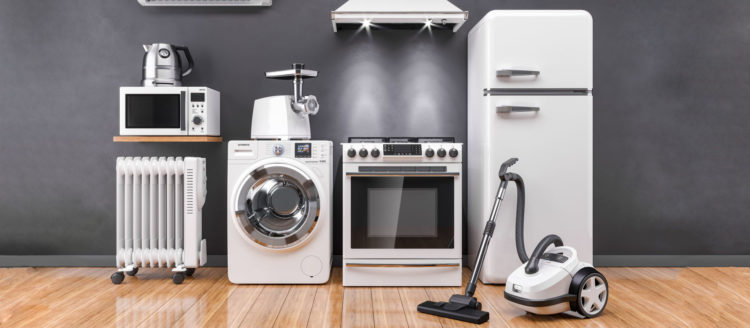
Large appliances such as refrigerators, washing machines, dryers, ovens, and air-conditioning equipment may require specialized handling. Some appliances contain refrigerants, electrical components, metals, or other materials that require appropriate management.
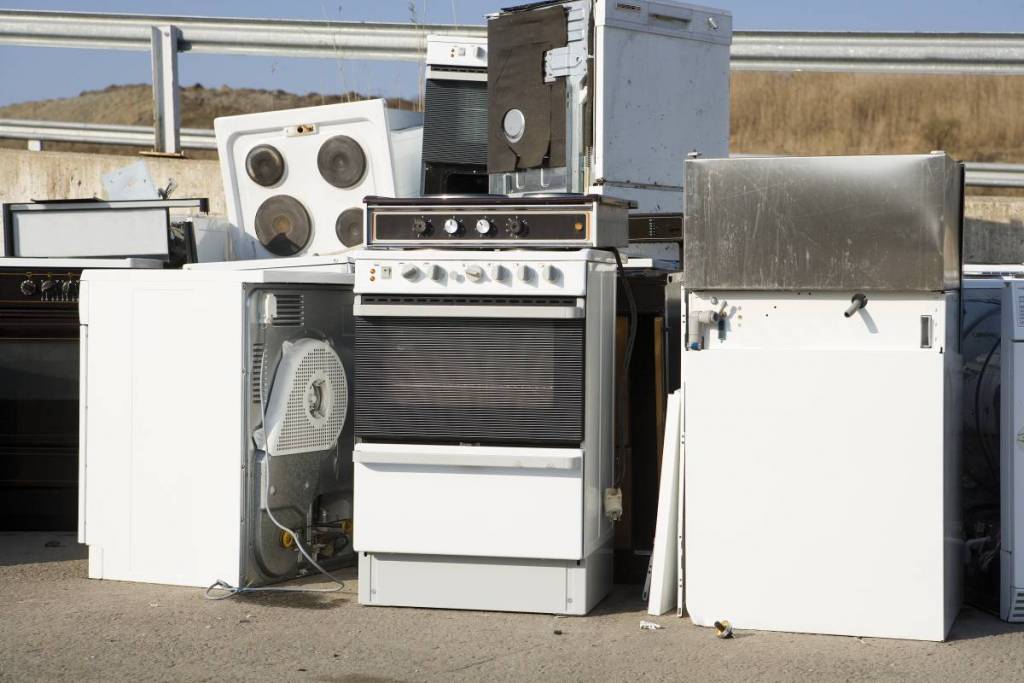
Because of these considerations, appliance disposal should follow applicable local requirements and facility guidelines. Depending on the appliance and its condition, it may be refurbished, recycled for materials, or disposed of through an appropriate waste-management process.
Electronics May Need Special Processing
Electronic devices can contain valuable recoverable materials as well as components that should not be handled like ordinary household trash. Computers, televisions, printers, phones, and similar equipment may therefore be directed to electronics recycling or specialized processing facilities.
The accepted items and procedures vary between facilities. Before disposing of electronics, it can be useful to determine whether the equipment qualifies for a local recycling or electronic-waste program.
Some Items Go to Disposal Facilities
Not every collected item can be reused or recycled. Materials that are damaged, contaminated, unsuitable for recycling, or otherwise not recoverable may ultimately be transported to an appropriate disposal facility.
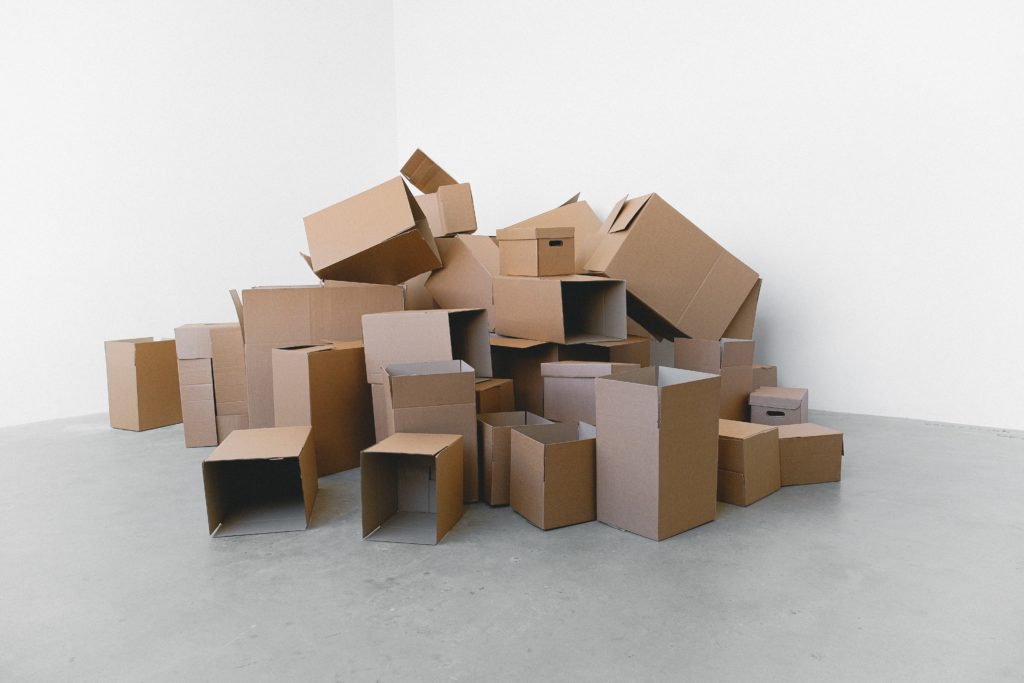
Disposal practices depend on the type of waste and local regulations. Proper classification helps ensure that ordinary waste is handled through the appropriate channel rather than being mixed with materials requiring specialized treatment.
Hazardous Materials Need Different Handling
Certain materials should not be placed with ordinary household junk. Paint, chemicals, batteries, certain cleaning products, fuels, and other potentially hazardous materials may have specific collection and disposal requirements.
A standard hauling service may not accept every hazardous material. Homeowners should check local waste-management guidance to determine how these materials should be handled safely and legally.
Local Regulations Affect Disposal
The final destination of collected items can depend heavily on local regulations and available waste-management infrastructure. Cities and counties may have different requirements concerning recycling, disposal, electronic waste, appliances, and other materials.
For this reason, the process is not identical everywhere. A responsible junk removal provider must consider the type of material being collected and the requirements that apply to its handling and disposal.
How Responsible Removal Can Reduce Waste
The goal of responsible junk removal is not simply to move unwanted items from one location to another. Proper sorting can help identify materials that have potential for reuse or recycling while directing unsuitable materials toward appropriate disposal channels.
For property owners, understanding this process can make it easier to decide what should be removed and how different materials may need to be handled. Asking a provider about its sorting, recycling, donation, and disposal practices can also clarify what happens after collection.
Construction Debris May Be Processed Separately
Materials such as wood, drywall, concrete, and metal may result from renovation, repair, or remodeling projects. Depending on the material and its condition, some construction debris may be accepted by specialized recycling or processing facilities.
Not every collection service handles construction waste. Confirming accepted materials before scheduling can help customers understand their disposal options and avoid unexpected restrictions.
Responsible Disposal Depends on the Provider
The destination of collected materials depends partly on the provider’s sorting practices, recycling arrangements, and access to appropriate facilities. Asking about these procedures can help customers understand how unwanted belongings are managed.
When arranging junk removal in San Juan Capistrano, ask whether the service offers donation or recycling options and which items it accepts. Clear answers can help you select a service that fits your needs and disposal preferences.
How Customers Can Reduce Waste
Customers can make the disposal process more efficient by identifying reusable belongings before collection. Setting aside suitable donations, separating materials when practical, and checking local recycling guidance can help prevent recyclable or reusable items from being discarded unnecessarily.
It is also helpful to confirm accepted items, fees, and any special handling requirements in advance. These simple preparations support better planning and make the collection process easier for everyone involved.
Conclusion
After junk removal, unwanted items may go through several different processes depending on their condition, material, and local disposal requirements. Usable belongings may be considered for donation or reuse, while metals, cardboard, plastics, electronics, and other materials may be directed to appropriate recycling facilities. Items that cannot be recovered may be taken to authorized disposal facilities, while hazardous materials often require separate handling.
For residents and businesses in San Juan Capistrano, understanding these possibilities can help when planning a property cleanout or removing unwanted belongings. Haul Brothers LLC can be contacted at 9496000878 to discuss junk removal needs and available services. Asking questions about how specific items are handled can help you understand the process before scheduling a collection.