
What to Do with Your Old Electronics: A Complete Guide
The modern world thrives on gadgets, from the smartphones in our hands to the TVs on our walls and laptops on our desks. But what happens when those devices reach the end of their life span? Tossing electronics into the trash can feel convenient, but it’s far from ideal—and in some areas, not even legal. Electronic waste, or e-waste, has rapidly turned into one of the fastest-growing refuse categories worldwide, packing landfills with hazardous materials that pose long-term environmental risks. If you’re unsure about the proper way to handle old speakers, cell phones, broken screens, or outdated gaming consoles, you’re not alone. Many homeowners and businesses are realizing that disposing of these tech relics isn’t as straightforward as dragging them to the curb. That’s why knowing your options is essential—not only to keep clutter at bay but to safeguard the planet and even recover value from old devices. This guide is your go-to resource for navigating the maze of e-waste solutions while uncovering practical, smart, and surprisingly rewarding ways to give your electronics a second life.
Recycling options for outdated electronics
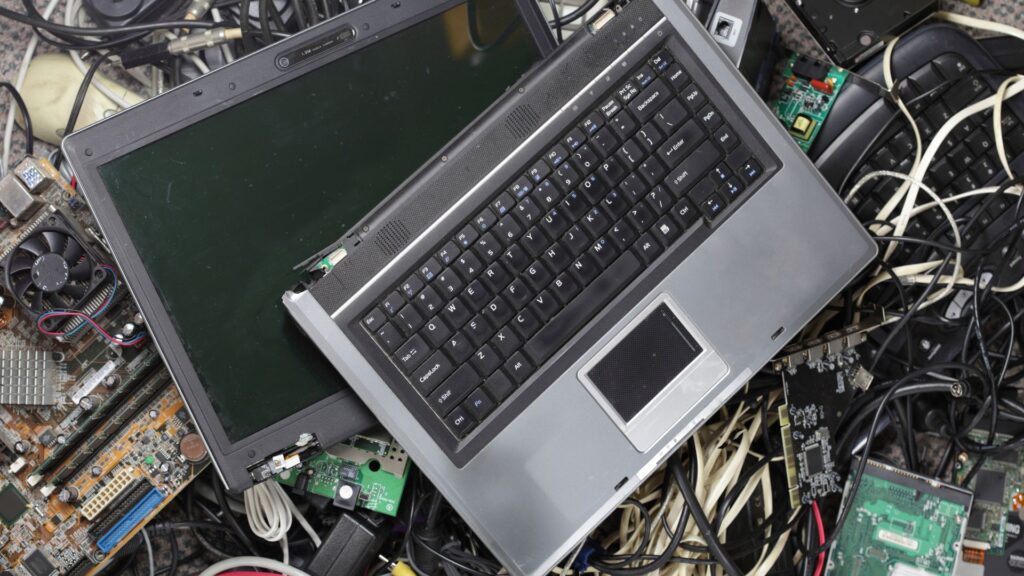
When the dust settles on your old tech collection and you’re faced with tangled wires and damaged screens, recycling emerges as a promising path. Electronics contain valuable metals and materials that, when properly dismantled, can be reused in manufacturing new tech products. The key is to handle this process through certified e-waste recyclers, who follow strict procedures to separate plastics, metals, and circuitry while disposing of harmful elements such as lead, mercury, and cadmium in an environmentally safe way. Check for local drop-off events, recycling kiosks in electronic retail stores, or community programs that collect old gadgets regularly. Larger appliances or commercial loads may qualify for pickup services, preventing you from hauling bulky items alone. What’s more, some companies offer digital certificates, assuring you that your data and device have been fully cleared and treated. The perks are worth it—recycling protects both the environment and your privacy. invisible chain reaction triggered by a simple act of recycling. Not only does it declutter your space, but it also paves the way for a cleaner, more sustainable future.
Donating used electronics for a new purpose
What may seem like a relic to you could be a lifesaver for someone else. Donating electronics is one of the most heart-centered solutions for managing old devices. Many organizations accept working or lightly used tech to support schools, veterans, low-income families, and charities that distribute refurbished electronics for education, job training, or community access. From laptops and phones to e-readers and printers, your donation may be the missing piece that helps bridge the digital divide. Contact local shelters, youth centers, or advocacy groups to ask what they accept. Some national and international nonprofits also offer free shipping labels or depot drop-off points, making donations hassle-free.
Selling old gadgets for extra cash
There’s a hidden marketplace just waiting for your outdated electronics, even those a few years old. Selling your used devices can be a surprisingly lucrative way to recover some of your initial investment, even if the item has been replaced or slightly downgraded. Online platforms like Facebook Marketplace, Craigslist, OfferUp, and dedicated tech-selling websites allow you to post listings with photos, descriptions, and prices that attract interested buyers. Smartphones, tablets, cameras, gaming consoles, and even parts like chargers or memory cards can fetch decent offers if they’re in good condition.
Repurposing broken electronics with creativity
If decluttering and selling don’t quite spark your interest, why not opt for something more imaginative? Broken or outdated electronics often hold artistic and functional potential. With a bit of creativity, your dusty desktop monitor could become a unique shadow box, or your defunct smartphone could display rotating family pictures as a stationary digital frame. Copper wire from old cords can be used for jewelry making; circuit boards can be transform into eclectic décor. The world of DIY projects is full of examples where household tech has been repurposed into lamps, coasters, bookends, or even succulent planters.
knows? A little ingenuity may ignite a new hobby—or even a side business in eco-friendly creations.
Hosting a neighborhood electronic swap event
Imagine this: your old printer becomes your neighbor’s greatest find, and their extra keyboard solves the problem in your home office. Electronic swap meets are community-centered events where residents trade devices and accessories they no longer need. It’s a win-win exchange that encourages networking, reduces waste, and gives forgotten items a meaningful home. Organizing one in your neighborhood isn’t complicated—all it takes is a shared space like a park, clubhouse, or cul-de-sac, along with a few reliable volunteers.
Start by spreading the word through local notice boards, social media groups, or community email newsletters. Ask participants to bring clean, functional electronics or components and provide a clear rule against broken or unsafe items unless a specific repair station is part of the event. You might even invite a local tech club or repair expert to offer mini tutorials or free tune-ups. An event like this not only promotes reuse but fosters a sense of communal responsibility and resourcefulness. From swapping cables to discovering treasures, neighbors bond through the shared goal of reducing waste while solving practical needs. All it takes is a little coordination to transform a pile of unused electronics into a lively, productive gathering.
Using manufacturer take-back programs and mail-in services
If you’re wondering what to do with that old router or cracked tablet, the solution may be as simple as sending it back where it came from. Many electronics brands now offer take-back programs where customers can return products for recycling, free of charge or with incentives. Apple, Dell, Samsung, and several other manufacturers have partnered with certified recyclers to create accessible mail-in or store drop-off services. These programs are specifically designed to reclaim valuable components, process plastic, metal, or glass parts, and responsibly dispose of elements that can’t be reused.
Safely disposing of electronic waste in local facilities
While your first instinct might be to toss old gadgets into the household trash, most places have strict rules against this, and for good reason. Electronics often contain toxic elements like lithium, lead, or flame retardants that can leak into the environment if left in standard landfills or waste bins. That’s why many cities and towns have developed special e-waste drop-off locations or scheduled clean-up days where residents can deliver their items for proper handling. These facilities are staffed by professionals who understand safe demolition, data destruction, and component separation.
Before driving to a disposal center, check online municipal guidelines or call your local waste authority to review accepted items and any fees that may apply. Some facilities require proof of residency or appointment scheduling to maintain safe traffic flow and compliance. Consider gathering your electronic clutter into one vehicle trip or joining forces with a neighbor to save time and fuel. When you make the effort to dispose of e-waste properly, you actively prevent toxins from leaking into the ecosystem and join a growing movement of responsible consumers who treat environmental stewardship as part of everyday life.
Learning how tech recycling affects the environment
Understanding the ripple effect of tech recycling can dramatically shift your perspective on everyday choices. Electronic waste is more than just junk—it’s a global issue that, if handled improperly, threatens soil, air, and water with harmful contaminants. When electronics are buried or burned, toxic substances can leach into groundwater or release dangerous fumes. Recycling directly combats these hazards by retrieving precious metals like gold, silver, and copper, which would otherwise require intensive mining. It also reduces carbon emissions associated with manufacturing from scratch.
Preparing electronics for disposal the right way
Before you hand over your old smartphone or ship out your broken laptop for recycling or reuse, there’s one crucial step that should never be skipped: preparation. Begin by backing up all important files, photos, and passwords. Then wipe your personal data thoroughly—not just by deleting visible information, but by performing a factory reset or using data destruction software recommended by tech experts or recyclers. Remove SIM cards, SD cards, cloud-linked accounts, and any login autofills that may linger. Physical cleaning is also a great idea—use a soft cloth to wipe dirt, dust, or even disinfect areas if they’ll be handled by another user.
Turning electronics disposal into a business opportunity
Here’s a twist you might not expect—electronic clutter can be more than a burden. For some, it’s a business idea waiting to unfold. The rising awareness of e-waste and the growing need for disposal solutions create a demand that savvy entrepreneurs can tap into. Resellers can track high-demand items like graphics cards or retro tech, refurbish them, and resell at a profit online. Others might specialize in parting out broken equipment and selling functioning components individually. Even offering a collection service for outdated office equipment or household gadgets can be a feasible way to earn income while supporting sustainable practices.
Conclusion
Old electronics don’t need to linger in your home like forgotten relics or become another layer in the landfill crisis. Whether you choose to recycle, donate, sell, repurpose, or start a small business, there are countless innovative ways to handle your e-waste responsibly. Every thoughtful decision becomes a meaningful investment in both community well-being and environmental sustainability. When it’s time to clear out your outdated devices and you’re looking for help with safe, efficient removal, remember you can count on a trusted local partner. Haul Brothers Junk Removal in San Juan Capistrano offers professional e-waste collection services tailored to your needs. Reach them anytime at 949-600-0878 to schedule a pickup or learn more. Keep your space organized, your conscience clear, and the planet just a little greener.