
Why We Donate Before We Dump San Juan Capistrano
Some mornings, when the breeze drifts in salty from the coast and the birds chatter as if gossiping about old furniture and half-forgotten garages, you might catch the distant hum of a truck on its way to reclaim what’s been left behind. In San Juan Capistrano, the habit of clearing out the clutter doesn’t always end in the landfill’s yawning mouth. Sometimes, it starts with an open box, a mindful choice, and a soft promise whispered to the things we once called ours: “Someone else might still need you.”
There’s a kind of quiet revolution unfolding in these old streets and suburban corners—a refusal to treat every forgotten couch or outdated bookshelf as mere debris destined for the dump. It’s an understanding that stories stick to stuff. And sometimes, the best way to clear a path for the new is to first offer the old a second life.
More Than Just Removal
When the word “junk” rolls off the tongue, it rarely comes dressed in kindness. Junk sounds harsh, dismissive, final. But within cardboard boxes and wobbly dressers hides possibility. What’s trash to one may cradle warmth for another. It’s this perspective that reshapes the work—making it more than a mere transaction of hauling and tossing. It becomes a chain of giving, a deliberate pause before the rush to the landfill.
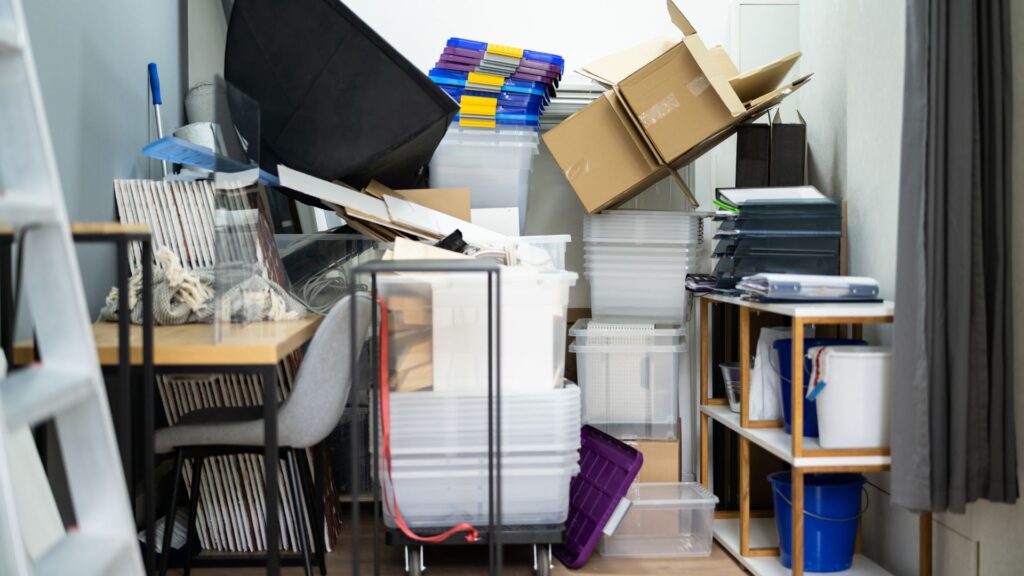
Donating before dumping is no quick afterthought. It’s an intentional detour. As trucks gather at the curbs of homes tucked behind bougainvillea hedges or roll up beside cracked driveways, they carry with them the weight of two questions: Can this be useful? Who might benefit? The answers guide the journey.
A Story for Every Piece
Step into a garage here, swing open the door to a storage unit there—what spills out isn’t just clutter but chapters of lives. A child’s outgrown tricycle that once zipped circles on the driveway. A dining table that once bore witness to countless family feasts, laughter echoing against its worn edges. These objects hold echoes. Not everyone sees that, but those who haul do.
Before anything is hauled to oblivion, it’s scanned for redemption. Maybe that battered loveseat can warm an apartment for a student piecing life together far from home. Maybe the shelf with the loose plank can be mended by a local charity that knows a handy volunteer. By placing usefulness first, the simple act of removal becomes a quiet sort of stewardship.
Community Over Convenience
It would be far simpler, of course, to fill up a truck and drive straight to the dump. No need for sorting, checking, folding, stacking. No calls to donation centers, no conversations with volunteers, no second or third glance at whether that box of old coats still has warmth left in it.
But San Juan Capistrano’s spirit runs contrary to quick discards. Here, time and care are currency. Donating demands effort. Sorting takes longer than shoveling things into a dumpster. Arranging drop-offs, coordinating with charities—these steps weave the invisible fabric of a community that refuses to discard recklessly.
The Environmental Backbone
There’s a pragmatic side too, humming steadily beneath the emotional surface: less waste. Every donated item dodges the landfill, saving precious space and sparing the earth the burden of another broken lamp or torn recliner. Every salvaged piece delays the exhaust of our dumps, extending their life by inches and days.
Donating before dumping is a rebellion against the throwaway culture that clings stubbornly to convenience. It’s a vote for sustainability. It’s a nod to future generations who will inherit these hills, these coastlines, these skies. Fewer tons in the landfill means fewer toxins seeping into the ground, fewer greenhouse gases rising with the morning sun.
Reimagining Junk
Call it optimism. Call it stubbornness. But to look at a chipped coffee table and see not junk but an opportunity is an act of gentle defiance. It means refusing to believe that usefulness expires the moment our tastes change or we run out of space.
Sometimes, an old wardrobe simply wants fresh hinges and a coat of paint to charm someone new. A mismatched set of chairs finds purpose at a community hall. Even electronics—flickering TVs, computers gathering dust—may light up classrooms if checked, repaired, and passed along thoughtfully.
A Human Touch
There’s an intimacy in donating that doesn’t exist in dumping. Tossing is impersonal. A mountain of waste, compacted and buried, is out of sight, out of mind. But when an old desk is carefully lifted, loaded, and driven to a place that welcomes it—a shelter, a community center, a family rebuilding after hardship—there’s a human thread stitched into that journey.
It’s in the grateful handshake from a nonprofit worker who recognizes what a few extra chairs mean for their next gathering. It’s in the delighted smile of someone who receives a secondhand bookshelf for free, easing the strain on a tight budget. These exchanges are humble but profound.
The Ripple Effect
In San Juan Capistrano, this practice of passing things on doesn’t just lighten the load on landfills—it seeds something larger. It fosters a culture where people think twice before tossing. It reminds households that even the simplest decisions, like choosing to donate a microwave instead of scrapping it, can add up to meaningful change.
It’s also contagious. One neighbor sees another clearing out their garage responsibly, donating half of it instead of dumping the whole mess. A conversation happens over the fence, ideas swap hands, and next season’s spring cleaning looks a little different. The more people witness the cycle, the more they lean in.
An Unwritten Promise
Donating first isn’t written into any city law. It’s not demanded by force or code. It’s an unwritten promise between people who share the same streets and sunsets. A promise that convenience won’t always trump conscience. That effort won’t bow to apathy.
Those who clear away what’s unwanted do so with a strange kind of loyalty—not just to their own backyards but to everyone’s. There’s an understanding that every house decluttered responsibly strengthens the whole neighborhood’s bond with sustainability.
No Room for Excuses
It’s easy to excuse a trip straight to the dump—busy schedules, tight deadlines, the temptation to be done with it all in one load. But the path of least resistance rarely aligns with what’s right for the environment or the community.
That’s why the choice to donate before dumping carries weight. It interrupts the rush. It invites reflection. It makes room for effort that’s easily shrugged off in today’s fast-moving world. And yet, time and again, people here choose the slower path.
Reclaiming Dignity
There’s dignity in giving things away with care. A bed frame doesn’t deserve to rot in a pit when it can cradle someone’s sleep for years to come. A faded sofa might look out of place in a renovated living room but feel perfectly at home in a first apartment.
Giving away what we no longer need is one thing; doing it thoughtfully is another. Sorting, inspecting, and making sure what’s passed on is safe and usable—this honors both the item and the next owner. It ensures that the cycle doesn’t just transfer clutter but truly serves.
A Local Impact, Felt Wide
San Juan Capistrano’s charm is stitched together by people who care about where their discards end up. Donation centers, shelters, and nonprofits quietly rely on these gently used treasures. For them, donated goods are not hand-me-downs—they’re lifelines that help stretch tight budgets.
From gently used furniture that outfits transitional housing to clothes that stock thrift stores funding community programs, the ripple travels outward. Those trucks, rolling away with yesterday’s possessions, become vessels for tomorrow’s relief.
One Truck, Many Destinations
Every load that leaves a driveway doesn’t have a single destination. Some items head straight to donation partners, others are set aside for repair or refurbishment, and only what’s truly beyond saving faces disposal. This layered process requires more than muscle—it demands discernment.
Drivers and crews, when they lift that box or swing that mattress onto the truck, weigh its fate in real time. Donation isn’t an afterthought tacked onto the end of a haul—it’s baked into the mission from the moment the job begins.
A Call to Mindfulness
Choosing to donate first calls everyone to a simple kind of mindfulness. It asks each household to slow down long enough to question what’s possible. Could that battered cabinet see another life? Could that box of books spark curiosity for someone with little access to reading? Could that bag of clothes ease the burden for a family on the brink?
This shift transforms the mundane act of clearing out a garage or attic into a contribution that echoes far beyond the trash heap. It transforms stuff into hope.
Looking Ahead
The future here is built on tiny choices. In every load that skips the landfill in favor of a local charity, there’s a seed of what tomorrow’s San Juan Capistrano might look like—tidy homes, yes, but also vibrant centers that thrive on the generosity of reused goods.
Imagine a town where the dump is the last stop, never the first. Where hauling away clutter means building bridges, not just emptying closets. Where families grow up learning that giving away what you no longer need is not about getting rid of junk—it’s about creating space for kindness to flow.
Conclusion
Old chairs, spare appliances, stacks of books that gather more dust than meaning—these don’t need to vanish into the earth’s hidden pits. Here, they’re invited to linger a little longer in lives they never expected to touch. That’s the power of choosing to donate before we dump. And for the folks here who see possibility in a pile of discards, that’s a promise that keeps on giving.
If you’re ready to clear your space the right way—thoughtfully, sustainably, and with care—reach out to Haul Brothers Junk Removal, proudly serving San Juan Capistrano. One call sets in motion a chain of good that stretches well beyond your driveway. For mindful junk removal that gives back before it tosses out, connect today at 949-600-0878.